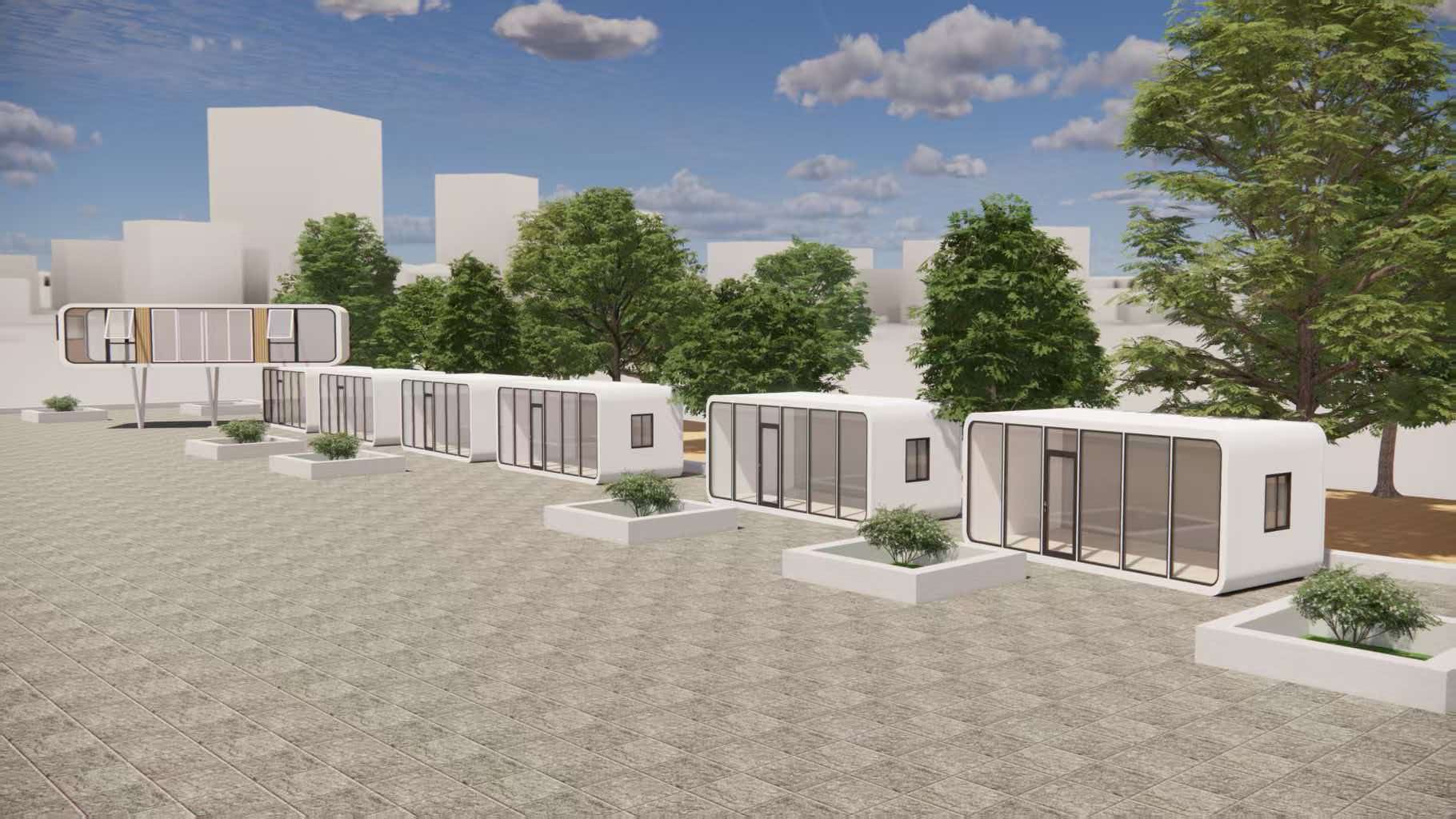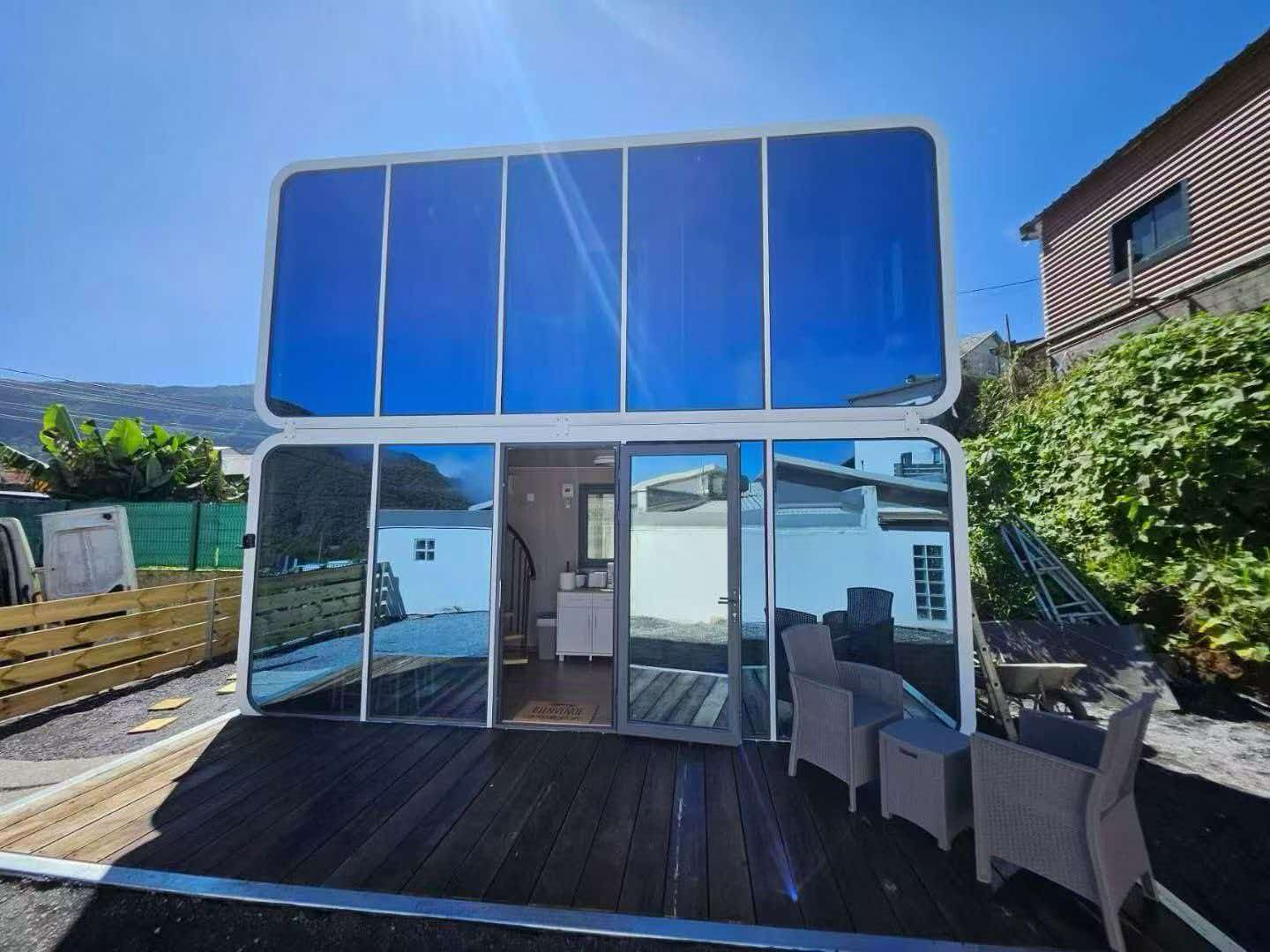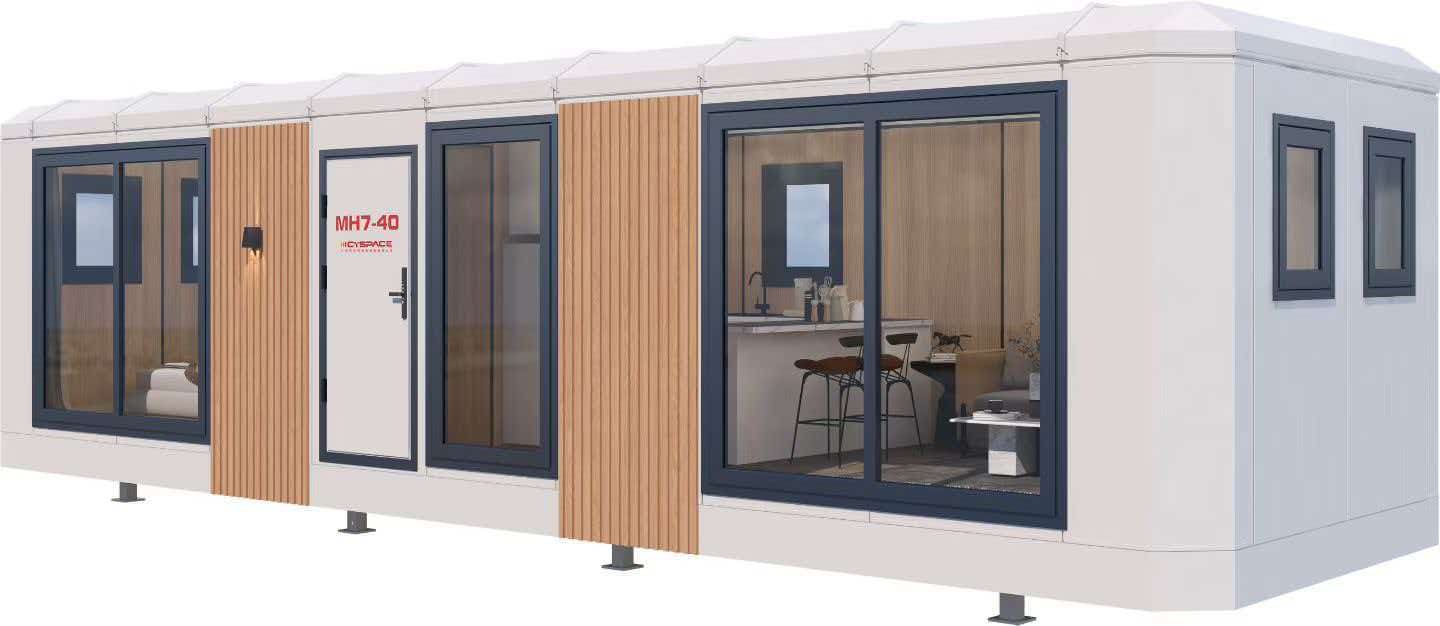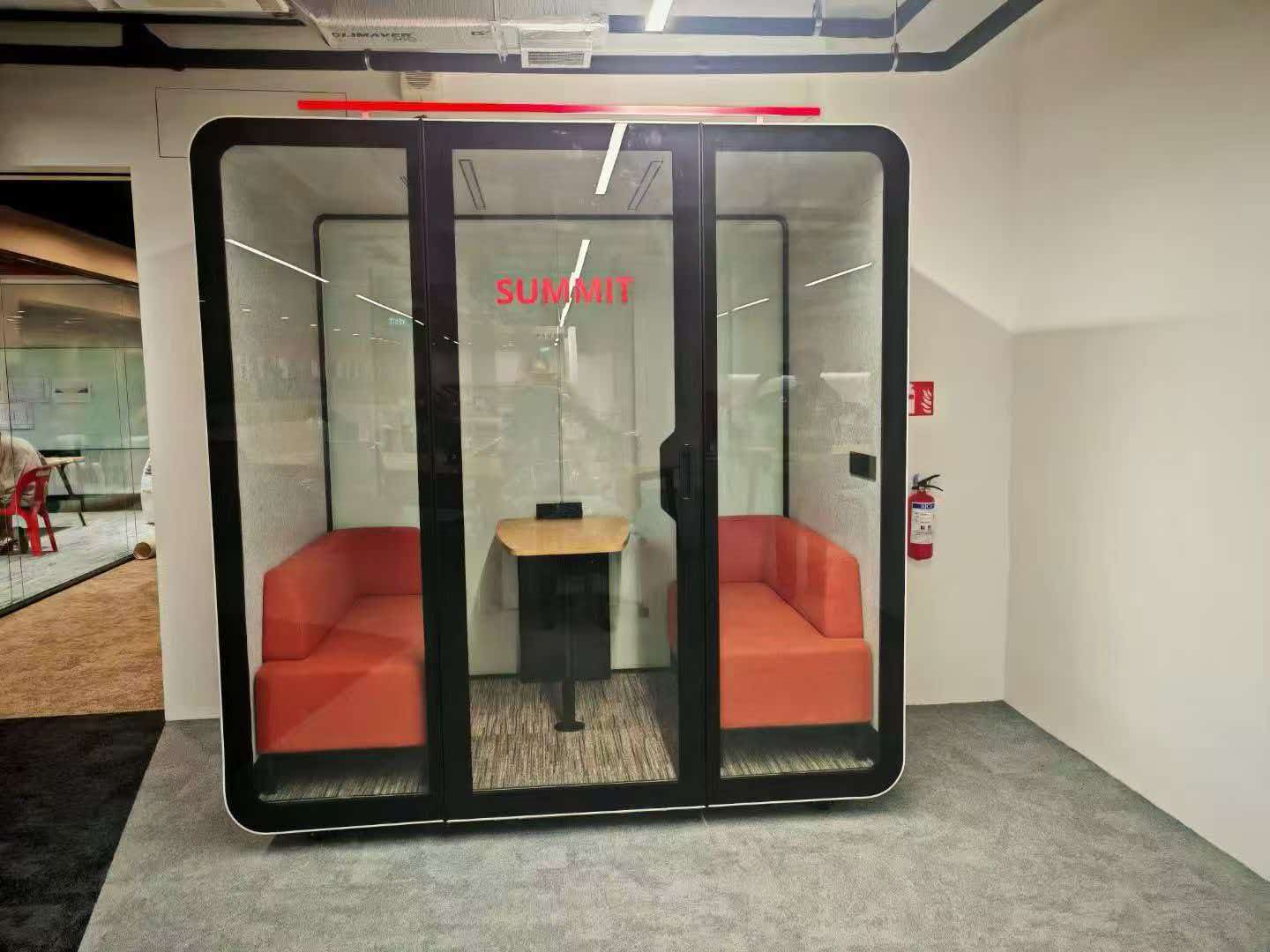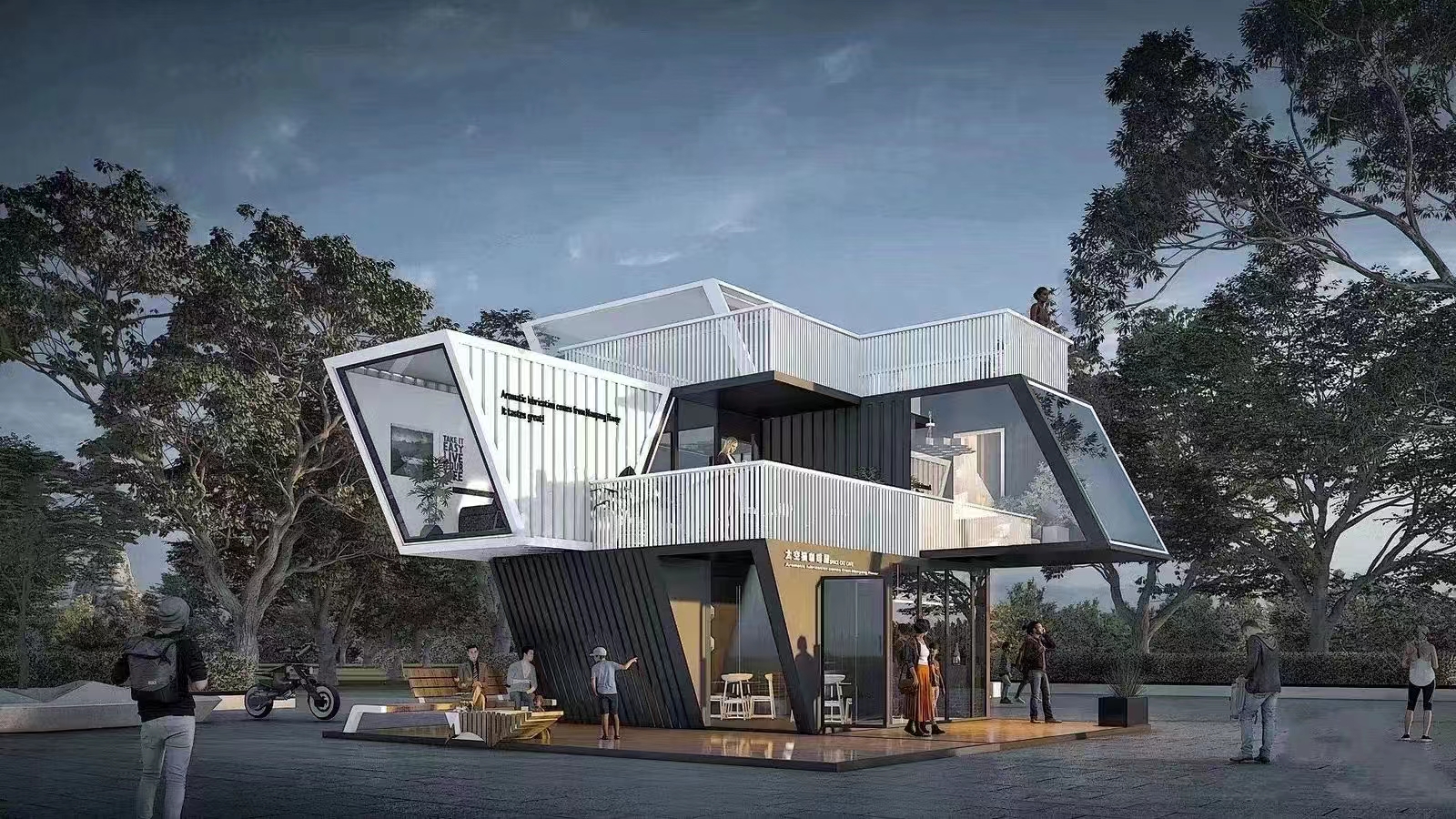


In the wave of transformation and upgrading of the global construction industry, prefabricated modular housing (also known as container house, prefab house) has grown from a supporting role in temporary construction to a mainstream track in the global construction industry, with its core advantages of high efficiency, low carbon emission and high flexibility.
According to the latest industry data in 2026, the global market size of prefabricated modular housing has reached 72.18 billion US dollars, and it is expected to maintain a compound annual growth rate (CAGR) of 7.5% from 2026 to 2034, with the market size expected to exceed 128.3 billion US dollars by 2034. As the world's largest producer of prefabricated modular housing, China accounts for more than 38% of the global market share, with a domestic market size exceeding 128 billion yuan, becoming the core engine of global industry growth.
Three Core Drivers for Industry Growth
1. Dual Drive of Policy and Carbon Neutrality Goals
Globally, supportive policies for prefabricated buildings continue to be implemented. China's Ministry of Housing and Urban-Rural Development clearly requires that prefabricated buildings account for more than 30% of new buildings. The European Union, North America, Australia and other regions have also introduced mandatory green building standards, promoting the low-carbon transformation of the construction industry.
More than 90% of the production process of modular housing is completed in the factory, which can reduce more than 70% of construction waste on site, and the energy saving rate can reach up to 83%. It fully meets the development requirements of zero-carbon buildings, and has become the core category supported by global green policies.
2. Expanding Application Scenarios and Explosive Demand
In the past, the core application of prefabricated modular housing was concentrated in construction site temporary accommodation and warehousing. In 2026, the demand for scenarios such as cultural tourism glamping, rural revitalization, urban renewal, emergency housing, and high-end residential buildings has ushered in explosive growth.
From the first modular reconstruction project of old and dangerous buildings in Fengtai, Beijing, to the 54.6-meter high-rise modular supporting dormitory building in Shenzhen, prefabricated modular housing has broken the stereotype of "temporary building" and officially entered the mainstream construction fields such as permanent residential buildings and commercial supporting facilities.
3. Technological Iteration and Comprehensive Product Upgrade
In 2026, the prefabricated modular housing industry has shifted from "extensive production" to "intelligent and customized development". Leading enterprises have laid out intelligent production lines, through BIM forward design and AI intelligent production system, the design efficiency has been increased by 80%, and the module production accuracy is controlled within ±2mm.
Future Trend: From Product Manufacturer to Space Solution Operator
With the continuous improvement of industry concentration, super factories with a production capacity of more than 2 million square meters will emerge in the industry by the end of 2026. Leading enterprises are gradually integrating upstream and downstream resources, transforming from single product production to a full industrial chain service provider integrating design and R&D, factory production, logistics and transportation, construction and installation, and later operation and maintenance.