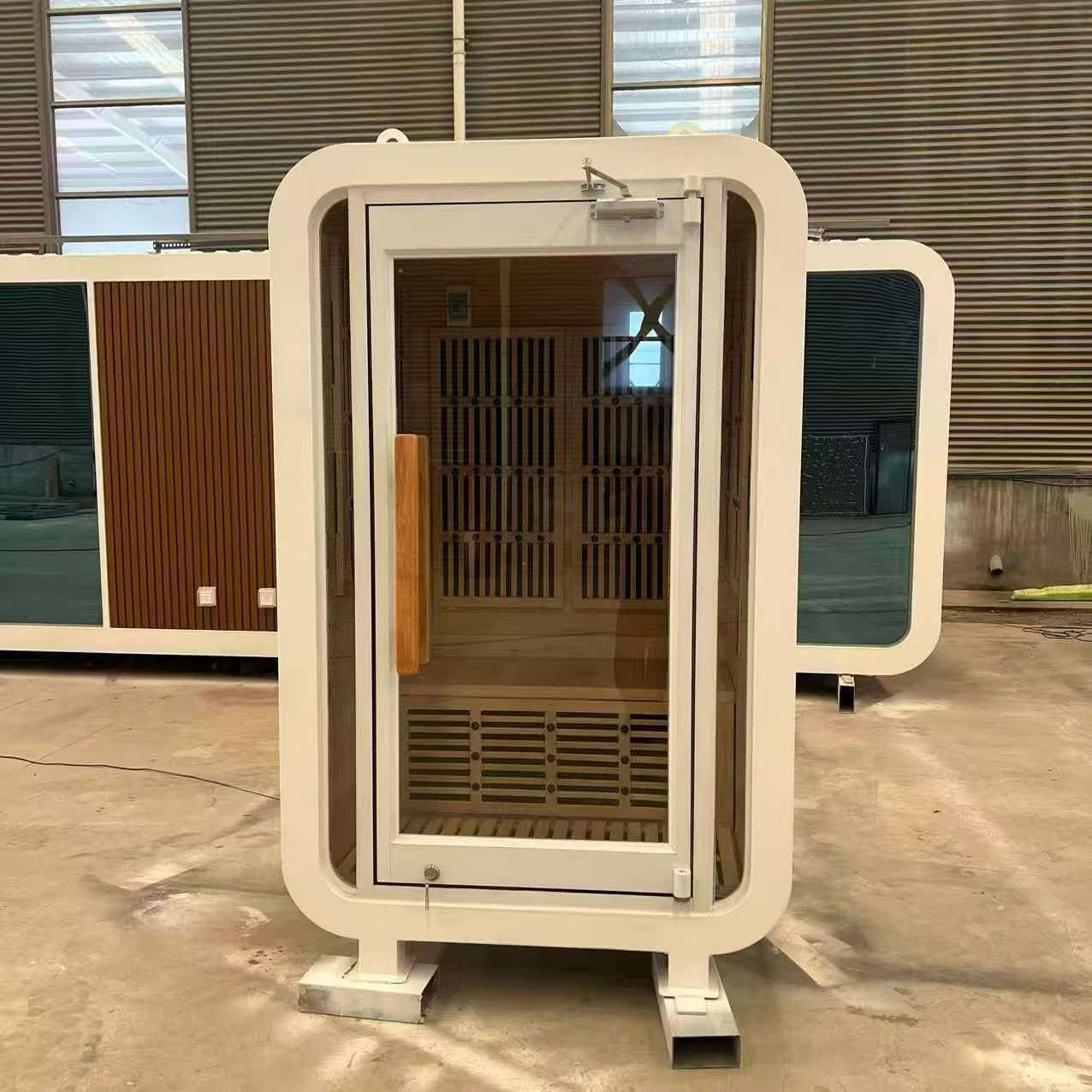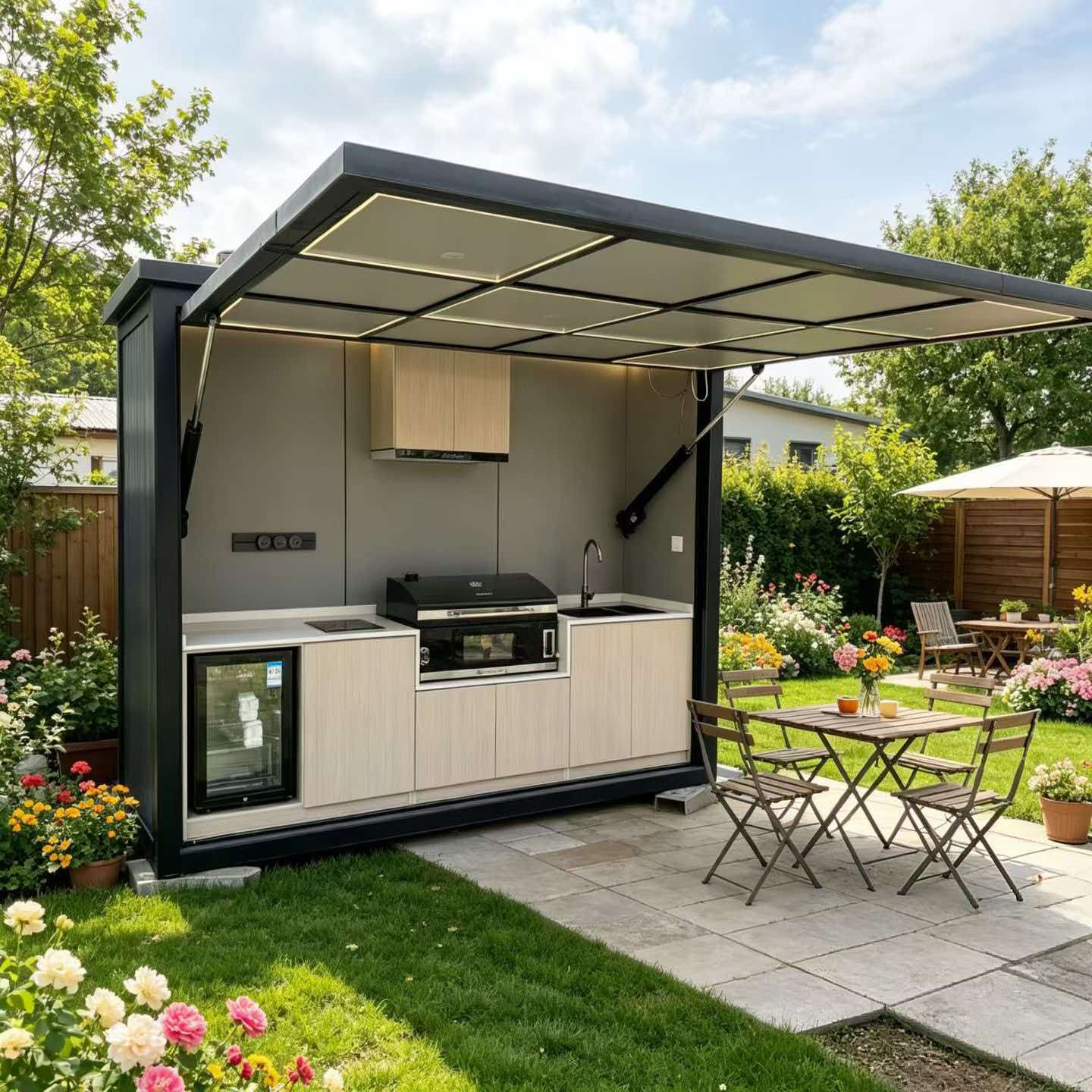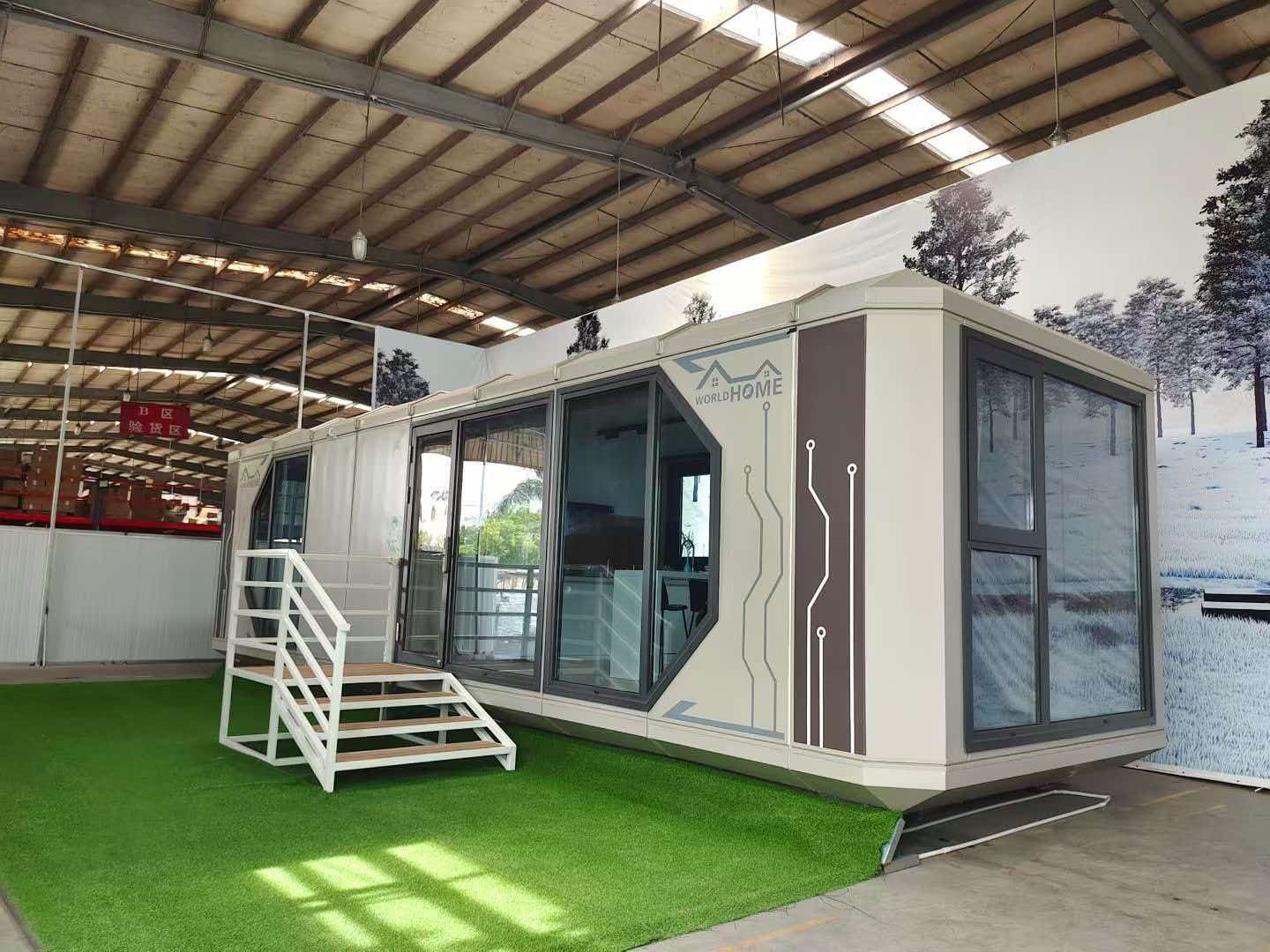



A batch of custom foldable container houses, purpose-built with rock wool bottom insulation for Russia's extreme climate, has completed production and is ready for export.
When the destination is Russia, where winter temperatures can plunge to -30°C and beyond, a building is only as good as its insulation. That's why our latest export order — a shipment of foldable container houses bound for the Russian market — was engineered from the ground up with one critical priority: keeping the cold out and the warmth in.
Rock Wool Bottom Insulation: The Foundation of Warmth
The most important detail of this project isn't visible once the house is assembled — it's in the floor. Every unit in this shipment features a dedicated bottom insulation layer built from high-density rock wool strips, carefully fitted between the steel floor joists before the floor decking is sealed.
Rock wool, also known as mineral wool, is the insulation material of choice for cold-climate construction for several reasons. It offers excellent thermal resistance, preventing heat loss through the floor — a major weak point in prefabricated buildings. It is also completely non-combustible, adding a critical layer of fire safety that matters in any residential or commercial application. And unlike foam-based insulations, rock wool is moisture-resistant and dimensionally stable, meaning it won't sag, settle, or lose its insulating properties over decades of use.
The installation process is meticulous. Workers cut and fit each rock wool strip precisely into the floor framing grid, ensuring full coverage with no gaps or thermal bridges. The result is a continuous insulation barrier that stops cold from rising through the floor and keeps interior heating costs low — essential in a market where winter heating bills can make or break a project's economics.
Foldable Design: Built for Efficient Shipping
Beyond insulation, these houses are designed around a fundamentally different logistics model. Each unit arrives at the factory as a complete, pre-finished house — walls, roof, windows, doors, electrical wiring, and flooring all installed — then folds flat to a fraction of its assembled height for transport.
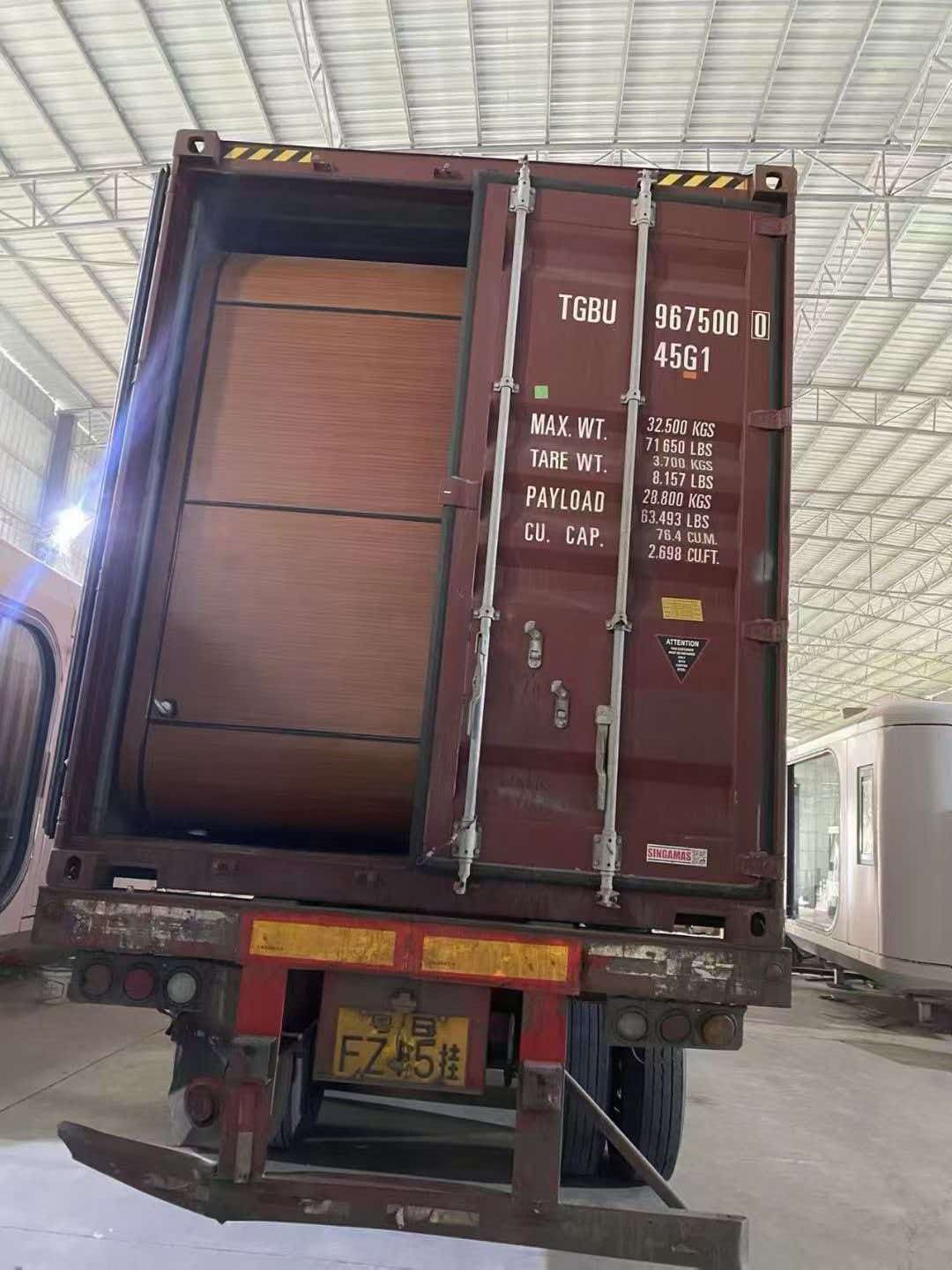
The first photo says it all: a single flatbed truck carries multiple folded units stacked securely and strapped down, ready for the long journey north. This foldable design dramatically reduces shipping volume compared to traditional fixed container houses, allowing far more units per container or per truckload. For Russian importers and developers, that translates directly into lower freight costs per unit — a significant advantage when transportation distances are measured in thousands of kilometers.
On site, deployment is fast. A folded house can be unfolded and locked into its final position in minutes, with no heavy machinery required beyond a simple lifting mechanism. Interior finishes are already in place, so the space is ready for move-in almost immediately. For temporary housing, remote work camps, site offices, or emergency accommodation, this speed of deployment is transformative.
Built for the Russian Market
Every element of this project has been specified with Russian conditions in mind. The rock wool floor insulation addresses the country's harsh winters. The foldable transport design handles the country's vast distances and high logistics costs. The steel frame and corrugated panels deliver structural strength against heavy snow loads and strong winds. Even the window and door systems are selected for their thermal performance and weather sealing.
This isn't a generic product shipped to a new market — it's a building system adapted to the specific realities of Russian construction, climate, and logistics.
What This Means for Buyers
For Russian developers, contractors, and business owners, the combination of foldable design and rock wool insulation solves two of the biggest pain points in prefab housing: high shipping costs and inadequate cold-weather performance. These houses arrive cheaper per unit to transport, deploy faster on site, and cost less to heat once occupied.
As the construction season continues and demand for fast, affordable, climate-appropriate housing grows across Russia, foldable houses with proper insulation are positioned to become an increasingly common sight — from Siberian work camps to suburban backyards.
Looking for foldable houses engineered for cold climates? Contact our export team to discuss specifications, pricing, and shipping to Russia.